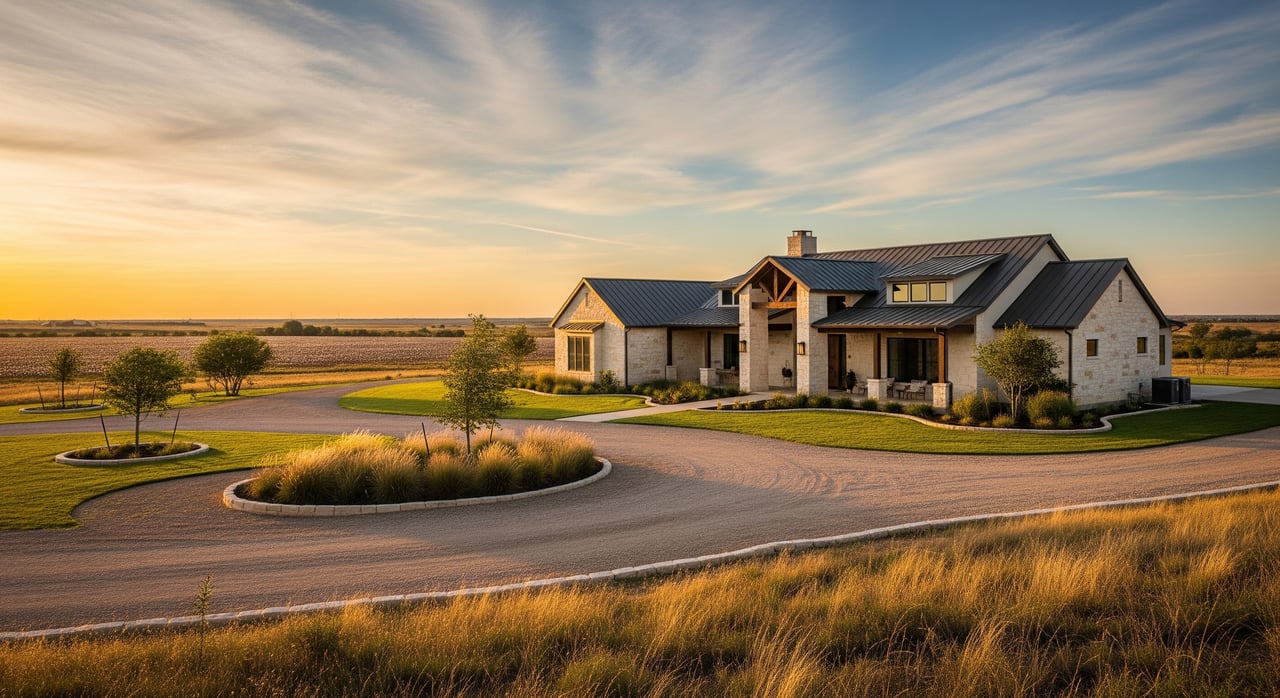
Should you plant roots inside Lubbock or in a nearby town? It is a great problem to have, and there is no one-size-fits-all answer. You want the right balance of price, space, schools, commute, and everyday convenience. In this guide, you will get a clear, local look at what changes when you cross the city limits, plus a step-by-step way to decide with confidence. Let’s dive in.
Lubbock vs nearby towns: quick take
- Lubbock city: Regional hub for jobs, healthcare, Texas Tech, retail, and culture, with shorter drives and the widest mix of homes.
- Nearby towns: Larger lots and a quieter feel, with newer subdivisions at the edges and more rural options as you go farther out.
- Core tradeoff: You often exchange a lower price per square foot and more land for a longer commute and fewer city amenities.
Housing and prices
Inside Lubbock, you will find the broadest range of housing. That includes older homes, new infill, townhomes, condos, and single-family neighborhoods both inside and outside the Loop. If you want options at several price points or a specific home style, Lubbock gives you more to choose from.
In nearby towns like Wolfforth, Shallowater, Slaton, Plainview, and Brownfield, the inventory is smaller but often leans toward single-family homes with larger lots. New subdivisions at the edge of town are common near Lubbock’s border, while more distant towns can offer acreage or agricultural parcels.
What this means for you: prices and price per square foot can be more favorable in smaller towns, but there may be fewer listings at any given time. That can impact how long it takes to find a match and later, how quickly you can resell.
Lot size and land
If you want elbow room, nearby towns often deliver. Many subdivisions outside Lubbock offer bigger lots, and rural areas can include acreage with fewer zoning restrictions. That said, some rural parcels may not have the same municipal services you expect in the city.
In Lubbock proper, typical neighborhood lots are smaller than in rural areas, but you gain city water and sewer, plus more predictable development patterns. If you are eyeing acreage, be sure to confirm what uses are allowed, any minimum lot sizes, and how utilities will be handled.
Schools and education
School districts shape many decisions in the Lubbock region. Addresses inside the city may fall under Lubbock ISD, while nearby towns are served by districts such as Frenship ISD, Shallowater ISD, Slaton ISD, Plainview ISD, or Brownfield ISD. District boundaries can be complex, so always confirm by property address.
Use official sources to compare TEA performance data, graduation rates, and the programs that matter to your household. Some suburban districts have become magnets for growth, while Lubbock ISD offers large, diverse campuses and specialized programs. Small-town districts may provide a strong community identity and smaller class sizes, but sometimes fewer specialized offerings. The right fit depends on your goals.
Commutes and transportation
City addresses generally mean shorter drives to Texas Tech, major hospitals, and downtown employers. Adjacent towns like Wolfforth or Shallowater can still offer quick access, often in the 10 to 25 minute range depending on your start and end points. Farther towns such as Plainview or Brownfield add drive time, which can change your daily rhythm.
Public transit is limited outside the city, so plan on driving. If your schedule is fixed, check drive times during peak hours from each candidate neighborhood to your top destinations. If you travel often, consider proximity to Preston Smith International Airport when comparing addresses.
Amenities and lifestyle
Lubbock is the regional hub for restaurants, shopping, museums, theaters, nightlife, and events. Living in the city puts you closer to those choices and to Texas Tech sports and cultural life. Smaller towns provide a quieter pace, community events, parks, and everyday retail, but you may make more trips into Lubbock for specialty shopping or entertainment.
Think about your weekly routine. Do you want to walk or make a short drive to restaurants and gyms, or are you happy with periodic trips to Lubbock for bigger outings while enjoying more space at home?
Healthcare access
Full-service hospitals, specialist care, and urgent care options cluster in Lubbock. Adjacent towns may have clinics, but for major services you will likely drive into the city. If quick access to hospitals is important, weigh the distance from each town to Lubbock’s medical centers and factor that into your commute plan.
Utilities and internet
Inside Lubbock, you can expect city water and sewer, trash service, and multiple broadband choices. In nearby towns, utility providers vary. Many suburban areas have municipal services, while rural parcels may rely on wells, septic systems, propane, and more limited internet options.
Before you write an offer, verify utility providers, water and sewer details, trash pickup, and broadband options by address. If work-from-home is essential, confirm advertised speeds and reliability for your specific property.
Taxes and cost of ownership
Texas has no state income tax, but property tax rates vary by city, county, ISD, and special districts. Two properties with similar prices can have different annual tax bills due to overlapping taxing units. Homeowners insurance can also vary with distance to emergency services and wind or hail exposure. If you are looking outside the city, ask early for insurance quotes and fire protection details.
HOAs are common in newer subdivisions. Compare dues and rules across communities. A lower purchase price can be offset by higher taxes or HOA fees, so look at the full monthly picture.
Resale and long-term value
Demand tends to be strongest near major employers and along growth corridors. That often favors Lubbock and the closest suburbs. Smaller towns with fewer buyers can see longer days on market, which is important if you plan to sell again in a few years.
Rural acreage can offer compelling value and lifestyle benefits. Just plan for a more specialized buyer pool if you sell later. Keep an eye on planned roads, new retail, school investments, and employment announcements that can shape demand over time.
How to decide: step-by-step
1) Rank your priorities
- Commute time limit in minutes for work and school.
- Minimum lot size, yard, or acreage.
- Budget, monthly payment target, and comfort with HOA.
- School needs and program preferences.
- Proximity to healthcare, shopping, and recreation.
2) Set clear tradeoff numbers
- Maximum one-way commute time.
- Minimum interior square footage and lot size.
- Target property tax bill and HOA cap.
- School rating and program must-haves.
3) Do address-level checks
- Confirm school assignment by property address.
- Verify utilities, sewer vs septic, and trash service.
- Check broadband providers and available speeds.
- Review tax rate breakdown for city, county, ISD, and special districts.
- Ask about any required connections for new builds.
4) Test the commute and the feel
- Drive your route at peak hours and off-peak.
- Visit on weekdays and weekends to check traffic and noise.
- Time trips to groceries, parks, and your favorite activities.
5) Review future plans and resale
- Look for planned roads, retail, or industrial projects.
- Ask about new subdivisions and zoning changes nearby.
- Compare days on market and supply-demand trends.
6) Line up financing and insurance
- If you want acreage, confirm lender guidelines.
- Get insurance quotes early, including wind and hail.
Who thrives where: real examples
- Buyer A: You work at Texas Tech or a hospital and want a short drive and access to restaurants and events. City neighborhoods near your job can fit best.
- Buyer B: You want a larger yard and a suburban pace with a reasonable commute. Towns near the city like Wolfforth or Shallowater are worth a close look.
- Buyer C: You want acreage, lower price per acre, or hobby farm potential and do not mind more drive time. Consider more rural areas or towns farther out, after verifying utilities and school options.
- Buyer D: You are retiring and want quiet living with quick access to healthcare. A small town close to Lubbock can balance peace with convenience.
Town-by-town highlights to consider
- Wolfforth: Suburban feel with newer neighborhoods and convenient access to Lubbock’s southwest side.
- Shallowater: Small-town character with proximity to Lubbock’s northwest and access to city amenities within a short drive.
- Slaton: Historic town southeast of Lubbock with a quieter lifestyle and local services, plus access to city employers.
- Plainview: Larger community to the north with a longer commute; more independent services and local economy.
- Brownfield: Farther southwest with an agricultural base and a more rural feel; plan your commute accordingly.
Each of these communities can work well, depending on your commute limits, desired lot size, and service expectations.
How Condor can help you choose
A great fit starts with local knowledge at the address level. Our team lives and works across Lubbock and surrounding towns, and we help you weigh each tradeoff with clear data. We will:
- Match your must-haves to specific neighborhoods and subdivisions.
- Pull up-to-date sales comparables and inventory snapshots.
- Verify utilities, broadband options, and tax rates for each property.
- Confirm school assignment by address and share official resources.
- Stress-test your commute and everyday routes.
- Advise on resale prospects and upcoming development.
When you are ready, we will line up showings, structure smart offers, and move you from decision to closing with confidence.
Ready to compare homes in Lubbock and nearby towns side by side? Reach out to the boutique team at Condor Property Group for a local, step-by-step plan that fits your goals.
FAQs
How much more house or land will I get outside Lubbock?
- You often see larger lots and a lower price per square foot in nearby towns, though there may be fewer homes to choose from and resale can take longer.
How long is the commute from nearby towns to major Lubbock employers?
- Adjacent towns can be around 10 to 25 minutes depending on start and end points; more distant towns add time, so test your route during peak hours.
Will schools be better if I move to a nearby town?
- School quality varies by district and campus; confirm attendance by address and review official performance data and programs that match your needs.
Are utilities and internet reliable outside the city limits?
- Many suburban areas have municipal services and solid broadband, while rural parcels may use wells, septic, and limited providers; verify by address.
How do taxes and insurance compare between Lubbock and nearby towns?
- Property tax rates differ by overlapping taxing units, and insurance can vary with distance to emergency services; review tax rates and get quotes early.
Is resale harder in smaller towns around Lubbock?
- Smaller markets typically have fewer buyers, which can mean longer days on market; areas near growth corridors often show stronger ongoing demand.