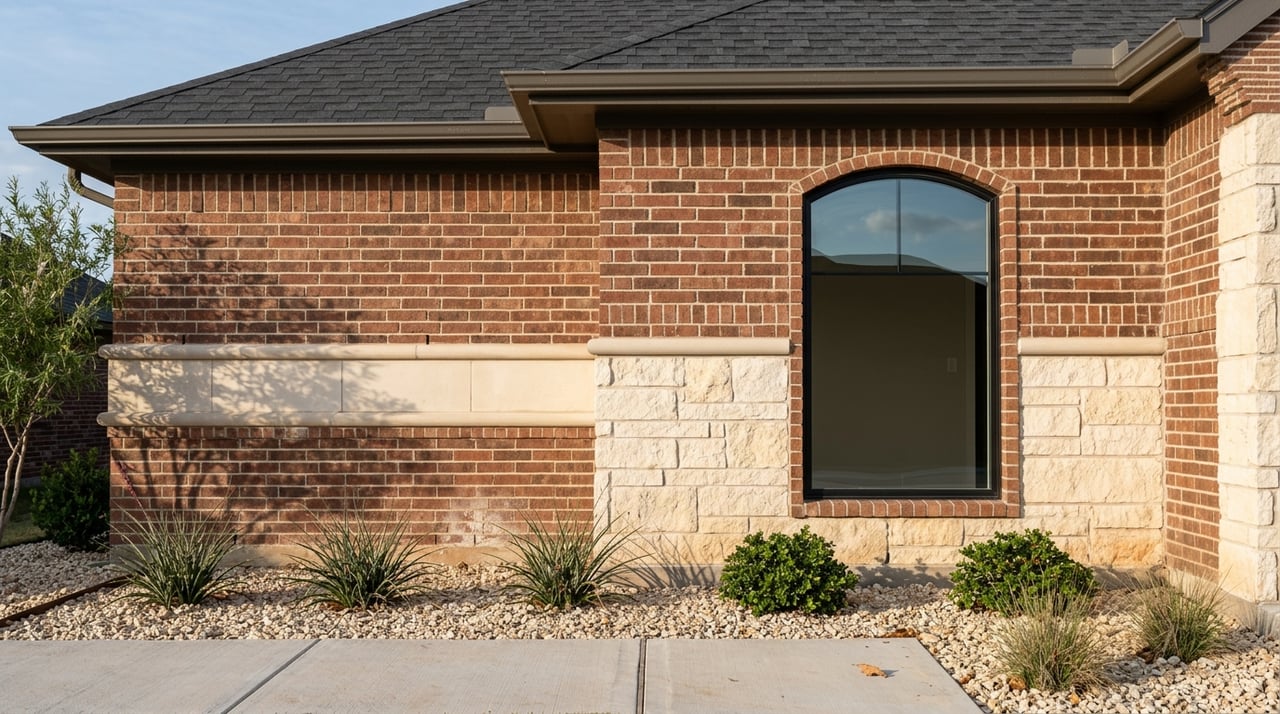
Buying your first home in Plainview can feel exciting one minute and overwhelming the next. If you are trying to figure out how much home you can afford, what happens after preapproval, and how Texas contracts work, you are not alone. This step-by-step guide walks you through the process in plain language so you can move forward with more clarity and confidence. Let’s dive in.
Why Plainview Can Fit First-Time Buyers
Plainview is a smaller market with about 20,187 residents, and the local housing stock points to practical options for first-time buyers. About 77% of homes are single-unit properties, which means your search may naturally focus on detached homes instead of large luxury inventory.
Local price points also help shape realistic expectations. Census data shows a median owner-occupied home value of $113,000, with 45% of owner-occupied homes under $100,000 and another 31% between $100,000 and $200,000. For many buyers, that makes Plainview a market where modest starter homes may be a better fit than stretching for more than you need.
Step 1: Check Your Finances Early
Before you start touring homes, take time to review your full financial picture. That means checking your credit, looking at your monthly income and debts, and thinking about how much room you want to leave in your budget after you buy.
It also helps to separate the idea of a monthly payment from the total cash you need upfront. As you prepare, keep updating your estimates for down payment and closing costs so you are not surprised later in the process.
What to gather first
A lender will usually need a basic loan application packet before issuing preapproval. Getting your paperwork organized early can make everything smoother and faster once you are ready to move.
Common items to prepare include:
- Recent pay stubs
- Bank account statements
- Tax returns or W-2s if requested
- A list of monthly debts
- Basic identification information
Step 2: Set a Home Budget
A smart budget helps you shop with confidence. It keeps you focused on homes that fit your finances and reduces the risk of falling in love with something that creates stress later.
In Plainview, many first-time buyers may find that the market lines up well with practical price ranges. Since a large share of owner-occupied homes fall below $200,000, it makes sense to start by identifying a comfortable target range and then narrowing your search from there.
Remember property taxes
Texas property taxes are set at the local level, so they should be part of your monthly planning. Hale County Appraisal District’s 2025 tax sheet shows rates of 0.7352 for Plainview City, 1.2705 for Plainview ISD, and 0.699779 for Hale County per $100 of taxable value.
Those rates matter because taxes affect what you can comfortably afford each month. When you compare homes, ask how the property tax bill may fit into your overall payment.
Step 3: Compare Lenders and Get Preapproved
Once you have a working budget, start comparing lenders. Meeting with more than one lender can help you understand your loan choices and gives you a better chance to find terms that fit your goals.
A preapproval letter is one of the most important early steps. It shows sellers that you are serious and helps you act faster when the right home hits the market.
Look into Texas buyer assistance
If you are buying your first home, you may want to ask an approved lender about TDHCA’s My First Texas Home program. The program offers a 30-year fixed-rate mortgage and down-payment or closing-cost assistance that can range from 2% to 5% of the mortgage amount.
Homebuyer education is required, and eligible borrowers generally must not have owned and occupied a primary residence during the last three years. Hale County is included in the county tables, so Plainview buyers should confirm current income and purchase-price limits with an approved lender.
Step 4: Start Touring Plainview Homes
With preapproval in hand, you can shop more efficiently. In Plainview, your search may often center on single-family homes at modest price points because that is a large part of the local housing mix.
This is also the stage where your priorities become clearer. You may begin with a long wish list, but after touring a few homes, you will usually have a better sense of what matters most, what feels optional, and where you are willing to compromise.
Stay flexible but focused
Try to compare homes based on the things that affect daily life and long-term value for you. That could include layout, condition, storage, lot size, commute, or how much work you want to take on after closing.
A focused search helps you avoid decision fatigue. It also puts you in a stronger position if you need to act quickly on a well-priced home.
Step 5: Make an Offer and Review Texas Disclosures
When you find the right home, the next step is making an offer. In Texas, there are a few contract details that first-time buyers should understand before they sign.
For previously occupied single-family homes, Texas requires a Seller’s Disclosure Notice in connection with contracts entered into on or after September 1, 2023. That disclosure covers material facts and the property’s physical condition, which gives you important context before moving forward.
Know the option period
Texas contracts often include an option period. This is a negotiated due-diligence window that allows you to terminate for any reason during that time if the agreed option fee was paid.
The option fee and option period are negotiable, and buyers usually must deliver earnest money and the option fee within three days of the effective date. It is also important to know that Texas does not provide an automatic three-day or 72-hour cooling-off period after a contract is accepted.
Step 6: Schedule the Inspection
The inspection is one of the most important parts of the process. It gives you a clearer picture of the home’s condition and can help you decide whether to move forward, ask for repairs, or renegotiate during the option period if your contract allows it.
In Texas, inspectors are not required to evaluate a home against building code standards. If an inspection report uses language such as “safety hazard” or “code violation,” ask the inspector to explain exactly what that means and what they are basing it on.
Use the inspection period wisely
During this stage, focus on understanding the real condition of the home rather than reacting to every minor item. Nearly every home has a punch list, especially if it is not brand new.
What matters most is knowing which issues are routine, which may be more costly, and how they affect your decision. If repairs were agreed to, confirm that they are completed before closing.
Step 7: Move Through Financing and Appraisal
After your contract is accepted, your lender continues working behind the scenes. This part often includes document updates, underwriting review, and an appraisal if required for the loan.
This is one reason the process usually takes several weeks rather than just a few days. Financing, inspection, appraisal, document review, and closing all need time to come together.
Step 8: Review Your Closing Disclosure
Before closing, your lender must provide a Closing Disclosure at least three business days before the closing date. This document shows the final terms of your loan and the costs tied to the transaction.
Compare it carefully with your earlier Loan Estimate. If a fee looks unfamiliar or higher than expected, ask questions before closing day so you understand exactly what you are paying.
Step 9: Close and Plan Your Move-In Tasks
In many cases, the loan closing and home purchase closing happen at about the same time. Expect paperwork, signatures, and a process that may feel detailed, but each step is moving you closer to getting the keys.
After closing, there are still a few important tasks to handle. Along with your move, you may need to update your address, plan for escrow-related costs, and keep your home records organized in one place.
Step 10: File Your Homestead Exemption
One of the most important post-closing steps in Texas is applying for your residence homestead exemption. This can reduce the taxable value of your home, and school districts must provide a $140,000 residence homestead exemption.
Homeowners generally file exemption applications with the county appraisal district before May 1. For Plainview buyers, the Hale County Appraisal District office is located at 302 W 8th St, which makes this a practical item to add to your move-in checklist.
A Simple Plainview Buyer Timeline
| Stage | What you do |
|---|---|
| Prepare | Check credit, review savings, gather documents |
| Budget | Set price range and estimate upfront cash needs |
| Preapproval | Compare lenders and secure a preapproval letter |
| Search | Tour Plainview homes that fit your goals |
| Offer | Review disclosures and submit a contract |
| Option period | Inspect the home and negotiate if needed |
| Loan process | Complete underwriting and appraisal steps |
| Closing | Review Closing Disclosure and sign final documents |
| After closing | Move in and apply for homestead exemption |
If you are buying your first home in Plainview, the process becomes much more manageable when you take it one step at a time. A clear plan, realistic budget, and a good understanding of Texas contract steps can help you avoid surprises and make stronger decisions from day one.
When you are ready for local guidance, buyer advocacy, and clear communication through every stage, Condor Property Group is here to help you navigate your Plainview home search with confidence.
FAQs
What types of homes are most realistic for first-time buyers in Plainview?
- Plainview’s housing stock is largely made up of single-unit homes, and many owner-occupied homes fall below $200,000, so many first-time buyers may focus on modest single-family homes.
How long does the Plainview homebuying process usually take?
- From contract to closing, the process usually takes several weeks because financing, inspection, appraisal, document review, and final closing all need time.
Can you back out after a home inspection in Texas?
- In Texas, the option period is typically the main contract window that may allow you to terminate for any reason if the agreed option fee was paid, but the exact rights depend on the contract terms.
What should first-time buyers know about Texas seller disclosures?
- For previously occupied single-family homes, Texas requires a Seller’s Disclosure Notice that covers material facts and the home’s physical condition.
How does a homestead exemption help Plainview homeowners?
- A residence homestead exemption can reduce your home’s taxable value, which may lower your property tax bill, and applications are generally filed with the county appraisal district before May 1.
Is there down payment help for first-time buyers in Plainview?
- Eligible buyers may want to ask an approved lender about TDHCA’s My First Texas Home program, which offers a 30-year fixed-rate mortgage and assistance from 2% to 5% of the mortgage amount.